Where People Go Wrong
The mistake we see most in Highland Park is treating a garage door like it's one standard product, no matter the house. It isn't. Housing stock here runs 1938 to 2003, with a median build year around 1977, and that matters because insulation requirements for garage doors weren't part of residential codes when most of these houses went up. A homeowner on a street near Highwood or Bannockburn will call about a drafty garage and assume a new weatherstrip kit will fix it, when the real issue is a single-layer steel or wood door with no foam core at all.
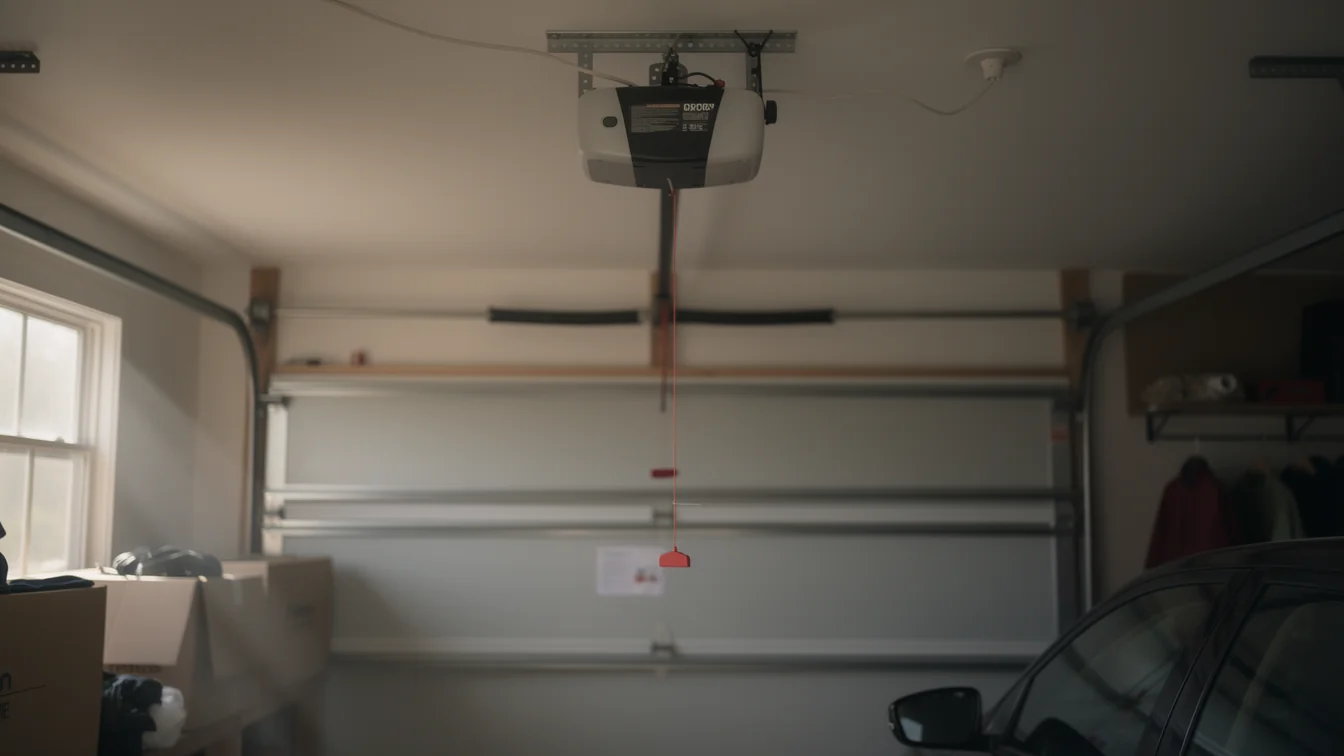
Another common error: assuming the opener is the problem when the door itself is the weight and balance issue. On houses from the 1960s and 70s stock that makes up most of this area, original torsion springs were sized for lighter, uninsulated panels. Swap in a heavier insulated replacement door without recalculating spring tension, and you get a door that slams down or won't stay open - not an opener fault, a spring-sizing fault. We'd rather tell you that up front than sell you a new opener that won't fix it.
The Situation
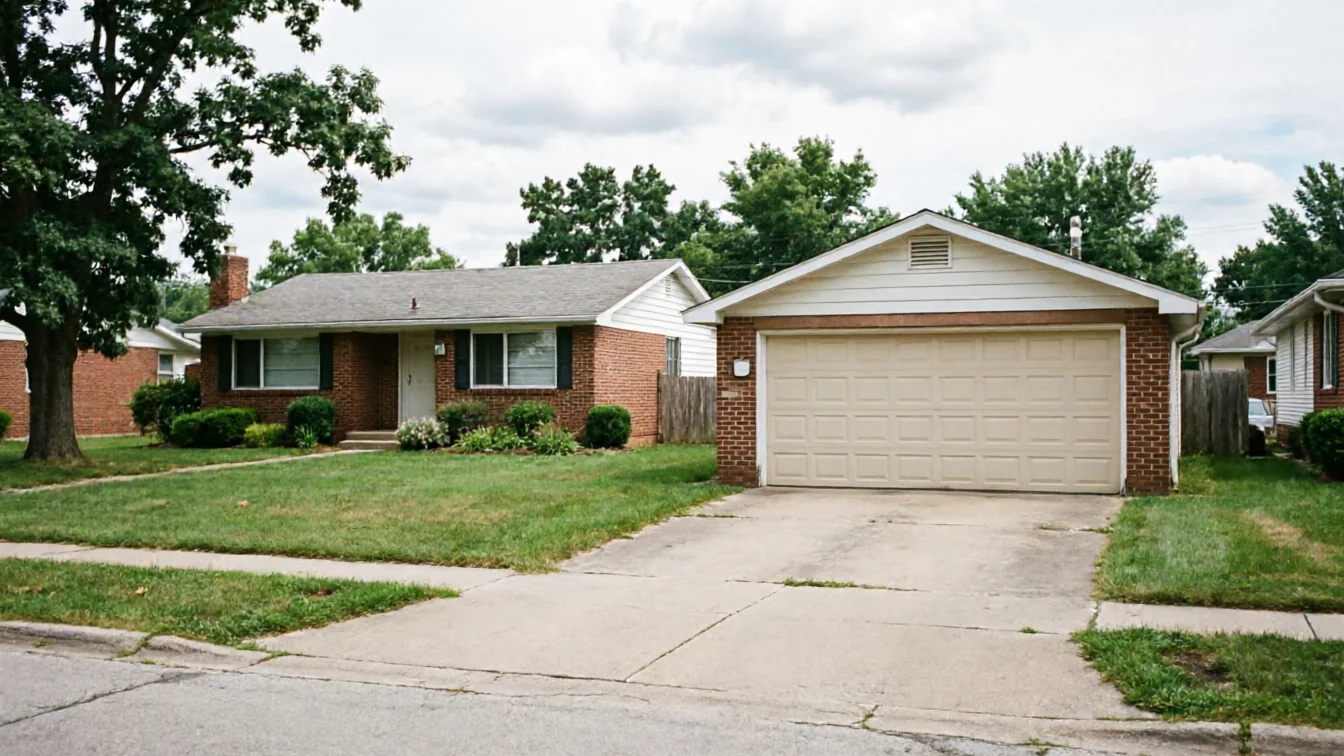
Highland Park's housing falls into a narrow but telling window - built mostly between 1938 and 2003, with the bulk of that stock dating to the 1960s and 70s. That matters for garage doors specifically because insulation rules for residential garage doors came later than the rules for walls and attics. A house built in 1968 likely has wall insulation to the code of its era, but its original garage door - if it's never been replaced - probably has none.
Across the broader service area, there are roughly 101,625 owner-occupied houses out of 203,509 households, and median household income sits at $112,438. That's a market where a lot of people can afford to fix this properly rather than patch it, and a lot of original doors from the build era are still in service decades later, because steel doors from the 1970s don't fail outright - they just stay cold and heavy and inefficient until someone finally swaps them.
What Local Conditions Do
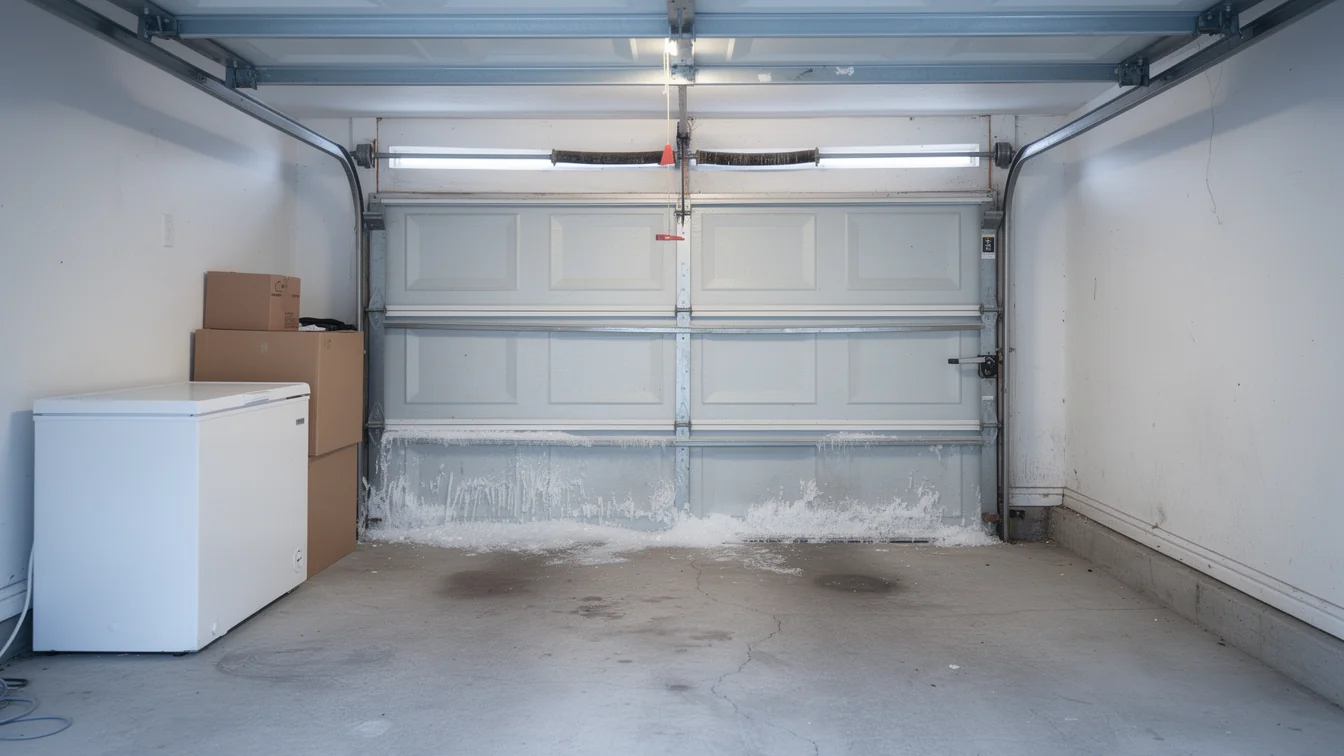
This is a cold, moderate climate zone, and that combination is exactly where an uninsulated door costs you the most. It's not extreme heat cycling that wrecks these old doors - it's repeated freeze and thaw against bare steel or old wood panels with no thermal break. On a door with no insulation, the inside face runs close to outdoor temperature, which means condensation forms on the inside skin during cold snaps. Over years, that moisture finds its way into panel seams and hardware, and you start seeing rust at the bottom panel and corrosion on hinges before the rest of the door shows its age.
For houses near Glencoe, Riverwoods, or Lincolnshire built in that same 1960s-70s window, we see the same pattern: the door still opens and closes fine, so nobody touches it, but the garage itself runs noticeably colder than it should for a space that's supposed to be semi-conditioned. If you've got living space above or beside the garage, that uninsulated door is doing real work against you every winter, not just in the garage but in the rooms next to it.
What It Costs
We don't have a flat number to hand you here, because the range depends heavily on what's actually on your house - a single uninsulated panel door from the 1970s is a different job than a double door with custom sizing. What we can tell you is what drives the cost on houses like the ones common in Highland Park: whether the existing frame and opening are standard sized (older builds sometimes aren't), whether the spring system needs resizing for a heavier insulated door, and whether the track and hardware are original and need full replacement rather than reuse.
One honest limitation: we can't quote a number without seeing the door and the opening. Houses here vary enough in age and size that a phone estimate on this kind of job is a guess, not a quote. What we can say is that replacing an original 1960s or 70s door with a properly insulated one is usually a one-time fix - it's not a repair you revisit every few years, unlike patching weatherstripping on a door that was never built to hold heat in the first place.
Talk to a local pro
Garage door trouble in Highland Park?
Same-day service with honest, upfront quotes.