Where People Go Wrong
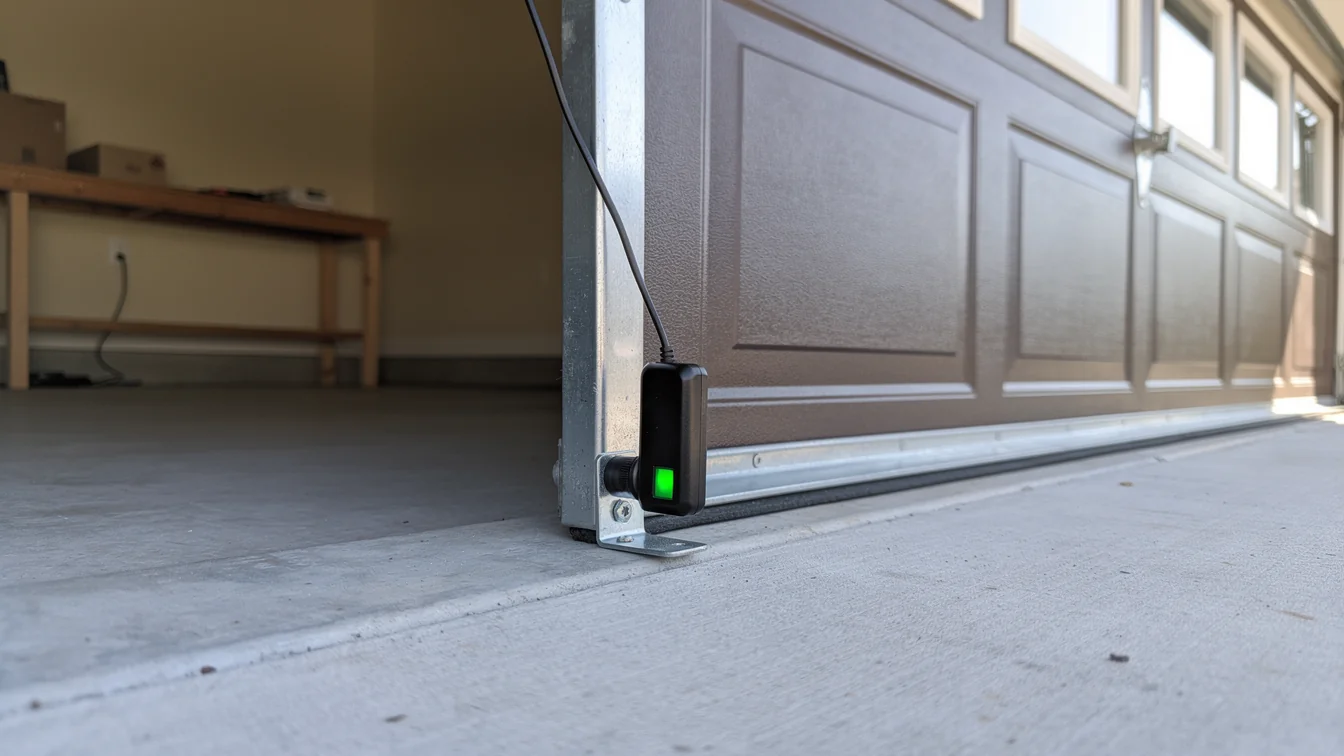
Most people see the sensor light blink or the door refuse to close and figure the eye is dead. They pull the sensor off, wipe the lens, maybe swap the bulb, and call it fixed until it happens again two weeks later. That's not usually what's going on in this town. Highland Park's housing mostly went up between 1938 and 2003, with the bulk of it dating to the 1960s and '70s, and on a house that age the sensor brackets aren't failing electronically. They're drifting physically, a sixteenth of an inch at a time, because the slab they're bolted to has moved. You can clean a lens all day and it won't fix a bracket that's an eighth of an inch out of plane with its partner on the other side of the door. The fix is realignment, not replacement, and knowing the difference saves you a wasted service call or, worse, a new sensor pair you didn't need.
The Situation
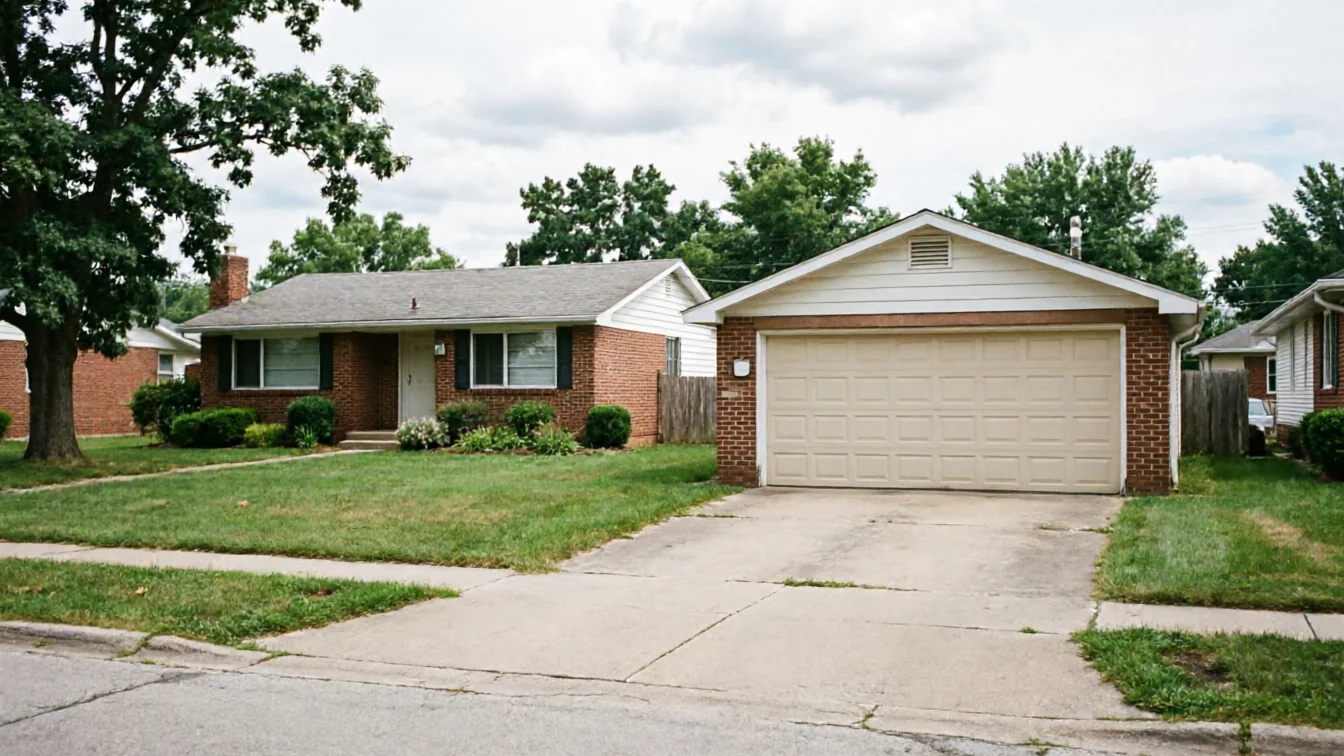
A garage built in 1965 or 1972 has had fifty-plus years to settle. The slab isn't one solid, unmoving block; it's concrete poured decades ago, and over that much time it shifts, especially at the edges nearest the door opening where the track brackets are anchored. In a lot of Highland Park garages from that era, the sensor brackets were mounted directly to the track or to wood jambs that have since shrunk, warped, or pulled a hair away from true. None of this happens suddenly. It's not a storm or an impact. It's the slow accumulation of small movements, which is exactly why homeowners don't connect the dots - the door worked fine last year and the year before that, so the sensor misalignment gets blamed on the sensor itself instead of the structure underneath it.
What Local Conditions Do
Highland Park sits in a cold, moderate climate band, which means the ground under these garages freezes and heaves every winter and settles back every spring. That cycle repeats every year a house stands, and on a slab poured in the 1960s or '70s, it's repeated fifty or sixty times. Each cycle moves the concrete by a small amount, and because the sensor brackets are fixed points bolted to that moving structure, the beam between them walks out of alignment a little further each year. It's rarely one bracket that moved - it's usually both, in slightly different directions, which is why a simple nudge back to where it looks right often isn't actually right. On older Highland Park stock, this is the single most common reason a working door starts throwing false non-closes in late fall or early spring, right when the ground is actively moving.
What It Costs
I'll give you the honest version: realigning a drifted sensor pair is usually a short job once someone's actually on site with a level, and it's cheaper than most people brace for. What changes the number is whether the bracket itself is bent or the mounting surface has rotted or cracked, which does happen on wood jambs in houses from the 1960s and '70s that have taken decades of that freeze-thaw movement. If the bracket's sound, it's a quick fix. If the mounting point is shot, you're replacing hardware, not just adjusting it, and that's a different job. I don't quote a number here because it depends on which of those two situations you've actually got, and I'd rather look at it than guess.
Talk to a local pro
Garage door trouble in Highland Park?
Same-day service with honest, upfront quotes.