Where People Go Wrong
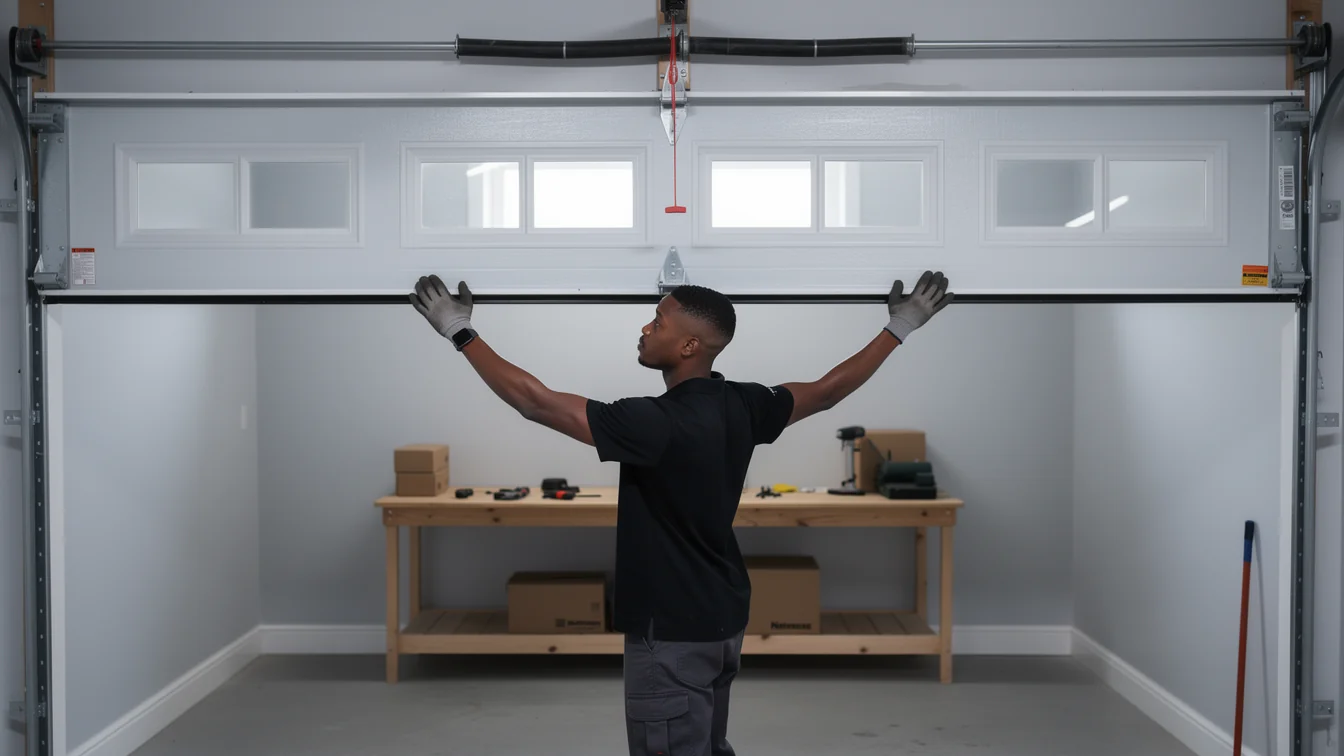
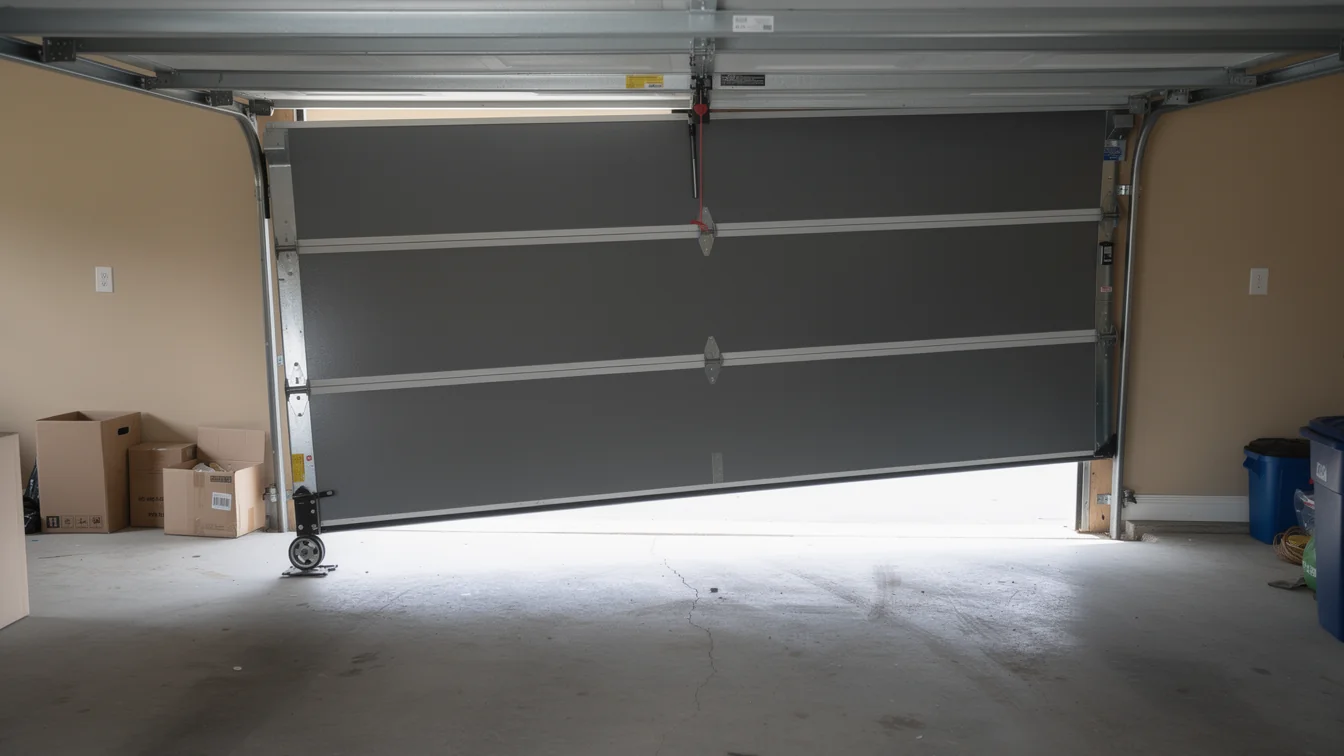
Most homeowners here call about the symptom, not the cause. The door won't open, so they assume the opener is dead. Half the time the opener is fine and the problem is a spring that's lost tension, a bent track, or a sensor knocked out of alignment by a bike or a snowblower. Because Highland Park's housing stock mostly dates from the 1960s and '70s, with the broader range running 1938 to 2003 and a median build year of 1977, a lot of garages still carry original hardware that was never built to the load specs of a modern insulated door. Swapping in a heavier door without upgrading the springs or the opener's lift capacity is one of the most common mistakes we see, and it's not something a quick YouTube fix catches. A real service call starts by checking the whole system, not just the part that's making noise. That means spring tension, cable wear, track alignment, hinge condition, and the opener's force settings, in that order. Skipping steps to save ten minutes is how a $150 spring job turns into a $600 track-and-panel repair three weeks later.
The Situation
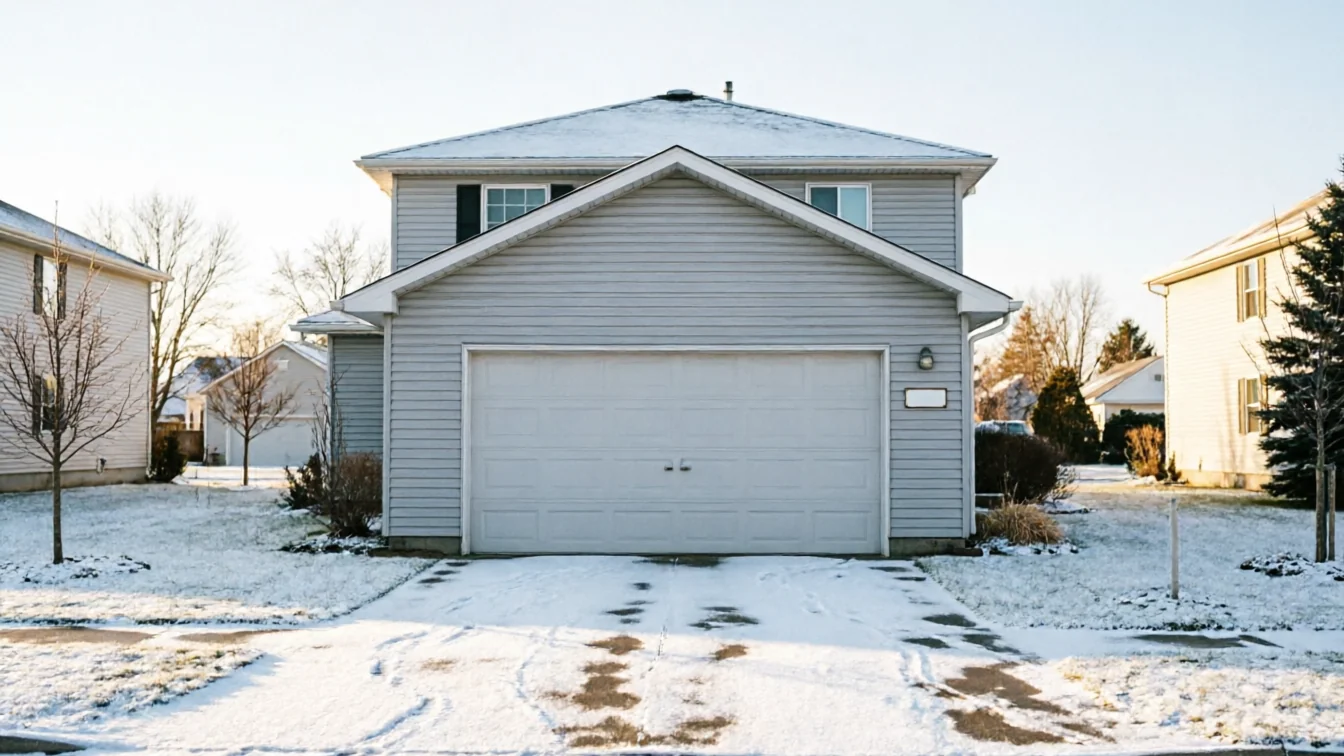
Highland Park's housing is older than people assume. A median build year of 1977, with stock running from 1938 to 2003, means a large share of garage doors and openers in this town have been replaced at least once, sometimes with mismatched parts: a newer opener bolted to an original 1970s track, or a repaired panel on a door that's otherwise original. That mix is exactly what makes a service call different from a tune-up. We're not looking at one standard setup repeated house to house. We're looking at whatever combination of original and replaced parts a given garage has accumulated over 40 to 80 years. A proper call accounts for that history before touching anything, because the fix for a 1970s torsion spring setup isn't the same as the fix for a 2003 extension spring system, even though both might show up as "the door won't close."
What Local Conditions Do
This area sits in a cold, moderate climate band, which matters more to garage doors than people expect. Steel contracts in winter, and a door that was balanced in July can bind or drag by January because the spring tension shifted with the temperature. Lubricant that worked fine in summer thickens in the cold and slows rollers down, which puts extra strain on the opener's gears. Seals at the bottom of the door also shrink and crack faster in a freeze-thaw cycle than they would somewhere warmer. On older houses in this range of housing stock, that seasonal swing is harder on hardware that's already decades old. A service call in this climate includes checking spring tension against the current temperature, not just whether the door looks level, and inspecting weatherstripping for the kind of cracking that cold causes but doesn't show up until it fails.
What It Costs
We don't have a flat number to give you here, and anyone who quotes one over the phone without seeing the door is guessing. What drives the cost on a given call is the combination we described above: how old the hardware is, whether it's original or already been patched, and how much the cold has worked on the seals and springs. A straightforward spring replacement on a door with intact original hardware is a different job than one where a track has to come out too. One honest limitation: if a door's track or panel damage is extensive enough, replacement is usually the better money than another round of repairs, and we'll tell you that straight rather than keep billing small fixes on a door that's past the point of being worth saving.
Talk to a local pro
Garage door trouble in Highland Park?
Same-day service with honest, upfront quotes.