Where People Go Wrong
The mistake we see most in Highland Park is treating a stuck or noisy door as a sign it's time to replace the whole unit. It isn't, not automatically. Homes in this service area were built between 1938 and 2003, with the median year sitting at 1977, so a huge share of the doors we get called on are original or close to it. That doesn't mean they're junk. A torsion spring, a bent track, or a worn roller on a door from that era is usually a repair, not a teardown. Where people go wrong is pricing out a full replacement before anyone's actually opened the panel up to look at the hardware underneath. We've seen owners budget for a new door when the fix was a cable and a pair of rollers. The flip side is also true: some owners keep throwing parts at a door that's past it, because nobody told them the steel itself was failing, not just the moving parts. The right call depends on what's actually wrong, and that takes a look in person, not a guess over the phone.
The Situation
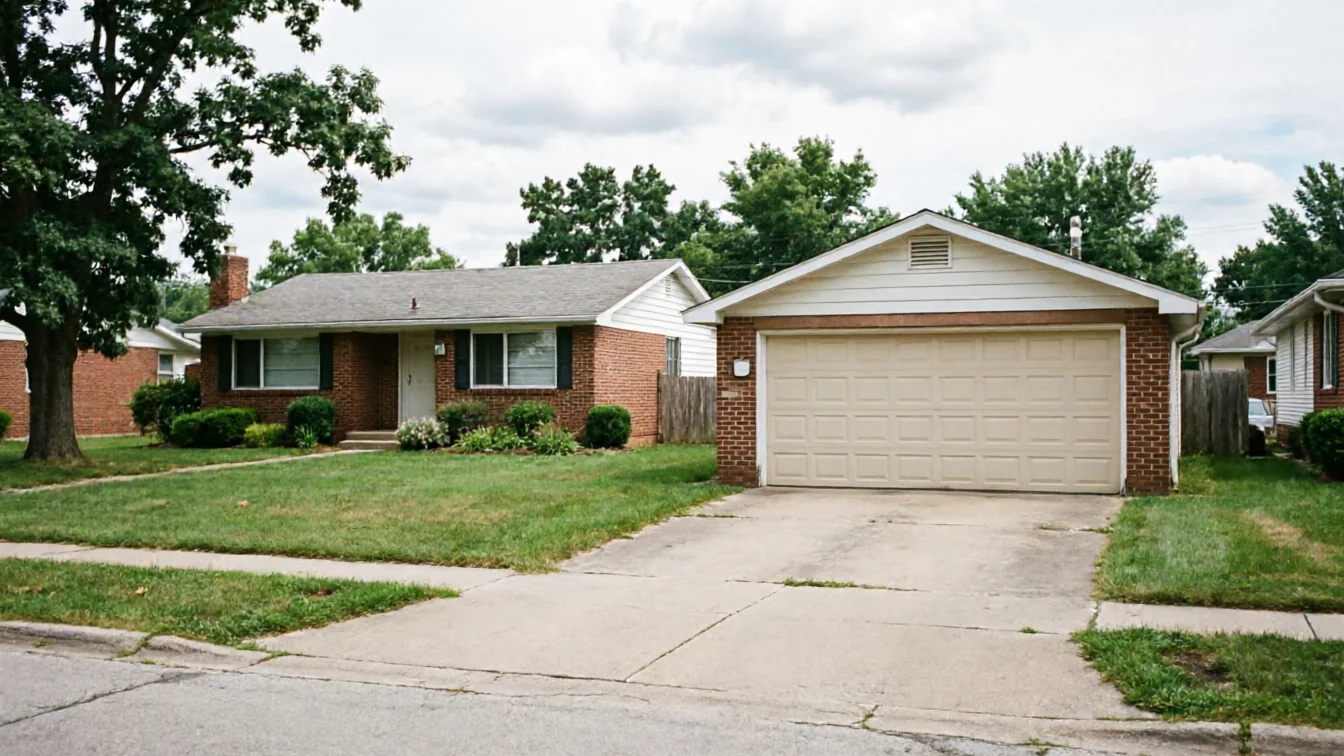
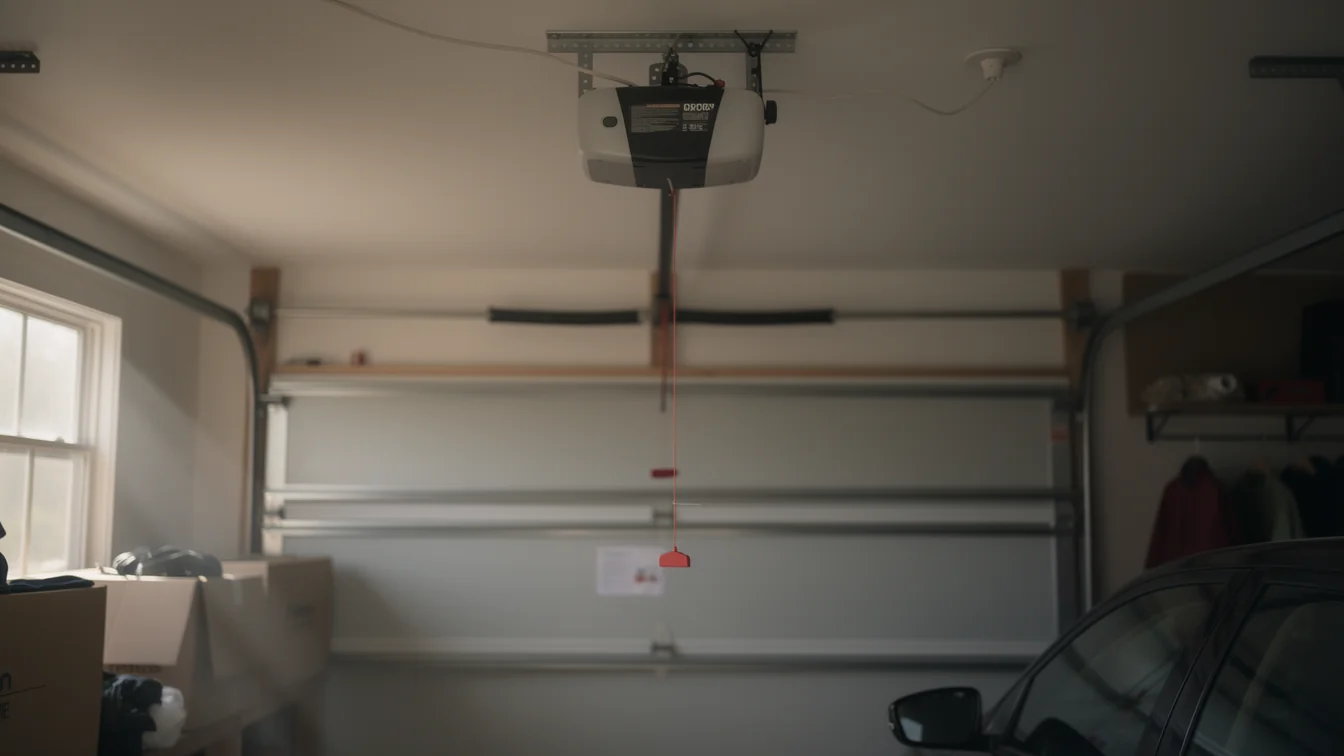
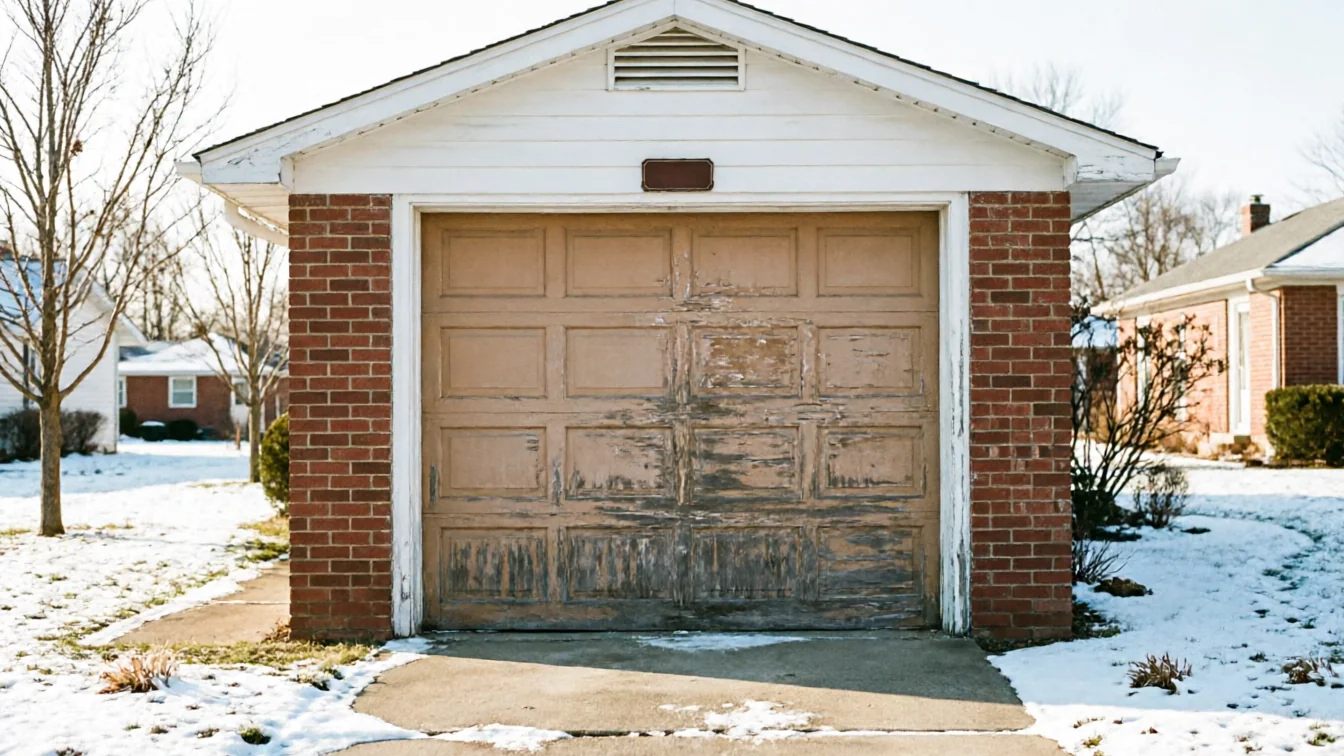
Across the 53 named areas that make up this stock, most houses went up in the 1960s and 70s, which lines up with the 1977 median. That means a lot of garage doors are either original single-layer steel or an early replacement from the 80s or 90s, often on hardware nobody stocks new anymore - side-mounted torsion springs, older drum designs, track profiles that don't match what's on the shelf at a big box store today. With 101,625 owner-occupied houses in the service area, this isn't a small pocket of old doors; it's most of the market. The good news for repair is that the mechanical parts on these doors - springs, cables, hinges, rollers - are things we can source and swap even on an older unit. The part that usually decides repair versus replace is the door panel itself: steel that's rusted through at the bottom section or a wood door with rot in the stiles is a different conversation than a spring that snapped.
What Local Conditions Do
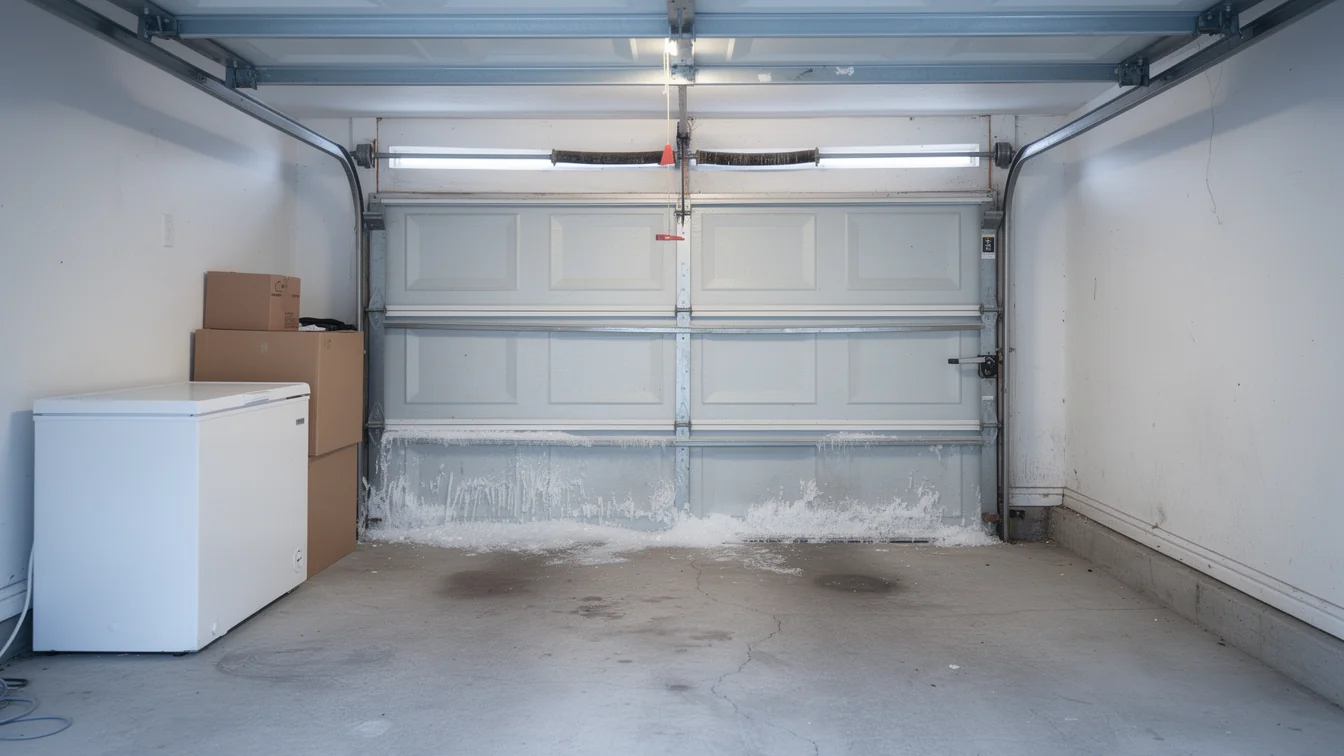
This area sits in a cold, moderate climate band, and that matters more for an older door than people expect. Steel panels from the 60s and 70s weren't insulated the way doors are built now, so they take the brunt of winter temperature swings directly on bare metal. That accelerates two things: condensation rust on the inside face of the panel, where moisture collects and nobody sees it until the bottom section is flaking, and seasonal stress on springs that are already decades past their wind-count. A torsion spring on an original door has usually been cycling through a lot more winters than a spring installed in the last ten years, and cold makes steel more brittle right when the door's working hardest to lift. None of that means replace on sight. It means the inspection has to include a look at the back side of the panel and the spring's condition, not just whether the door opens and closes.
What It Costs
We're not going to put a number on this page that isn't tied to your actual door, because on a house built in 1977 the cost swings heavily on what we find once we're looking at the springs, track, and panel condition in person - a cable replacement and a full panel swap aren't in the same ballpark, and quoting one figure for both would be dishonest. What we can tell you is how we think about it: if the springs, cables, rollers, and opener are sound and it's the panel that's failing, repair almost always beats replacement on an older door, because those mechanical parts are still serviceable. If the panel is rotted or rusted through in more than one section, or the track is bent beyond adjustment, replacement starts to make more financial sense than patching a door section by section. Given the median household income here is $112,438, most owners we talk to want a straight answer on repair-versus-replace rather than the cheapest quote, and that's the call we try to give on the first visit.
Talk to a local pro
Garage door trouble in Highland Park?
Same-day service with honest, upfront quotes.