Where People Go Wrong
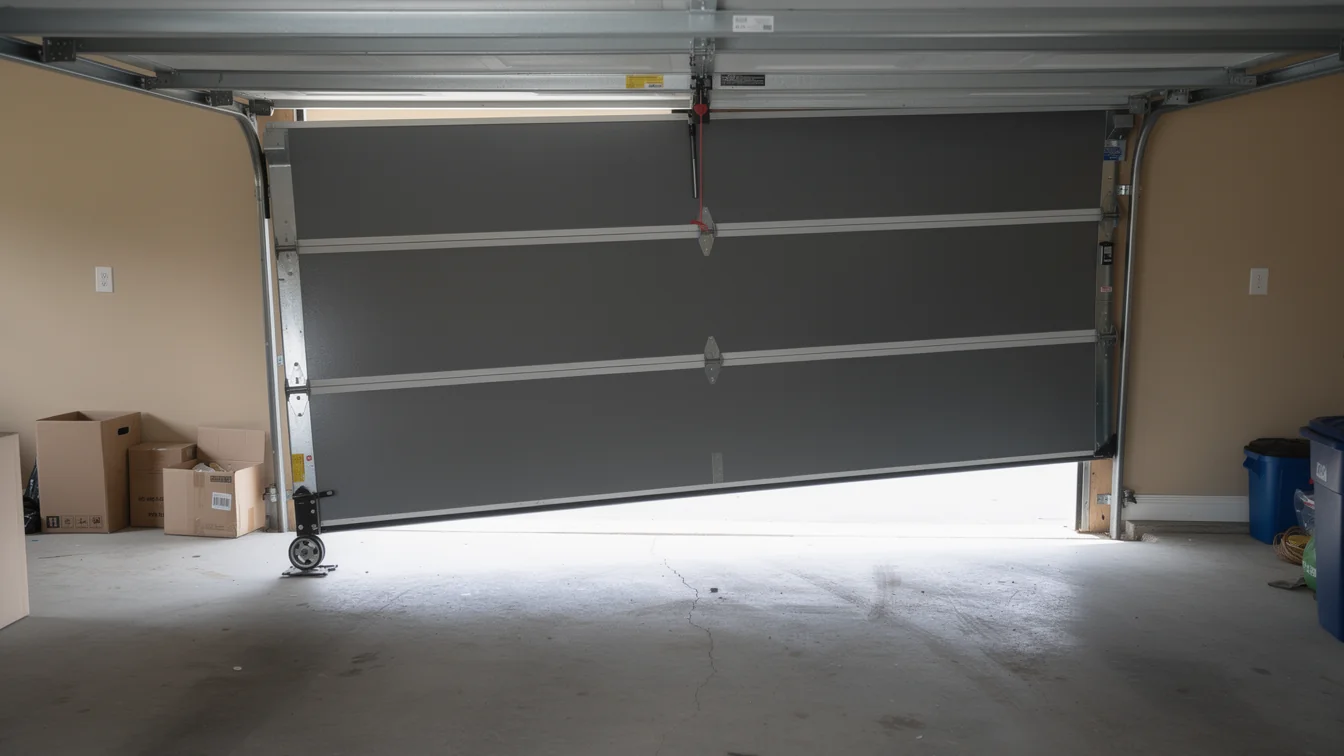
Most homeowners treat a snapped spring like bad luck, something that could happen any week of the year for no particular reason. Around here it isn't random. The mistake is waiting for a visible crack or a loud bang before paying attention, instead of noticing the door getting harder to lift by hand in December and January. By the time the spring actually lets go, it's usually mid-cycle, and the door comes down fast with nothing holding the weight.
The second mistake is trying to muscle through it. A door with a broken torsion spring weighs what it's always weighed, minus whatever the spring was carrying, and that's often 100+ pounds hanging on a cable and a track that wasn't built to take it alone. People still try to hand-crank these open, or let a kid do it, and that's how fingers and backs get hurt.
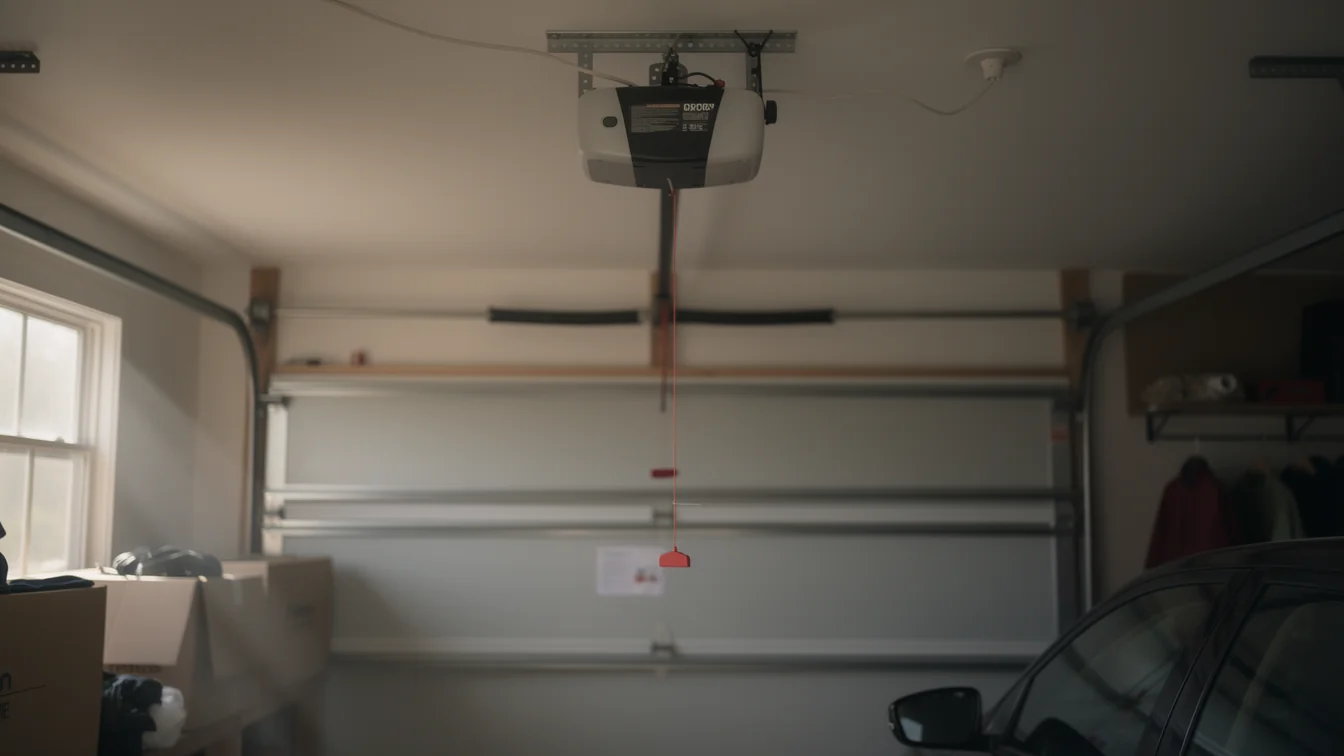
The third mistake is assuming one spring job means the other spring is fine. On a lot of the older double doors in this area, both springs were wound and installed the same day, decades ago. If one's at the end of its life, the other one is right behind it.
The Situation
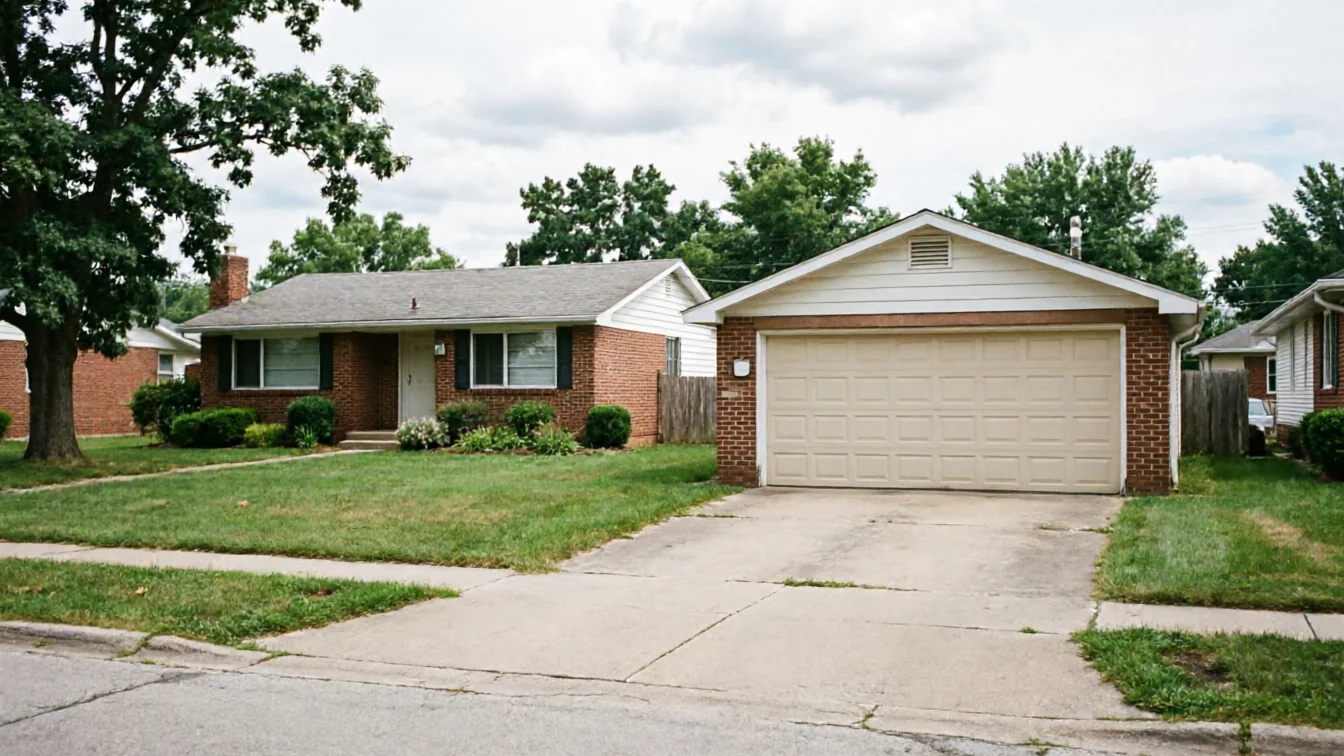
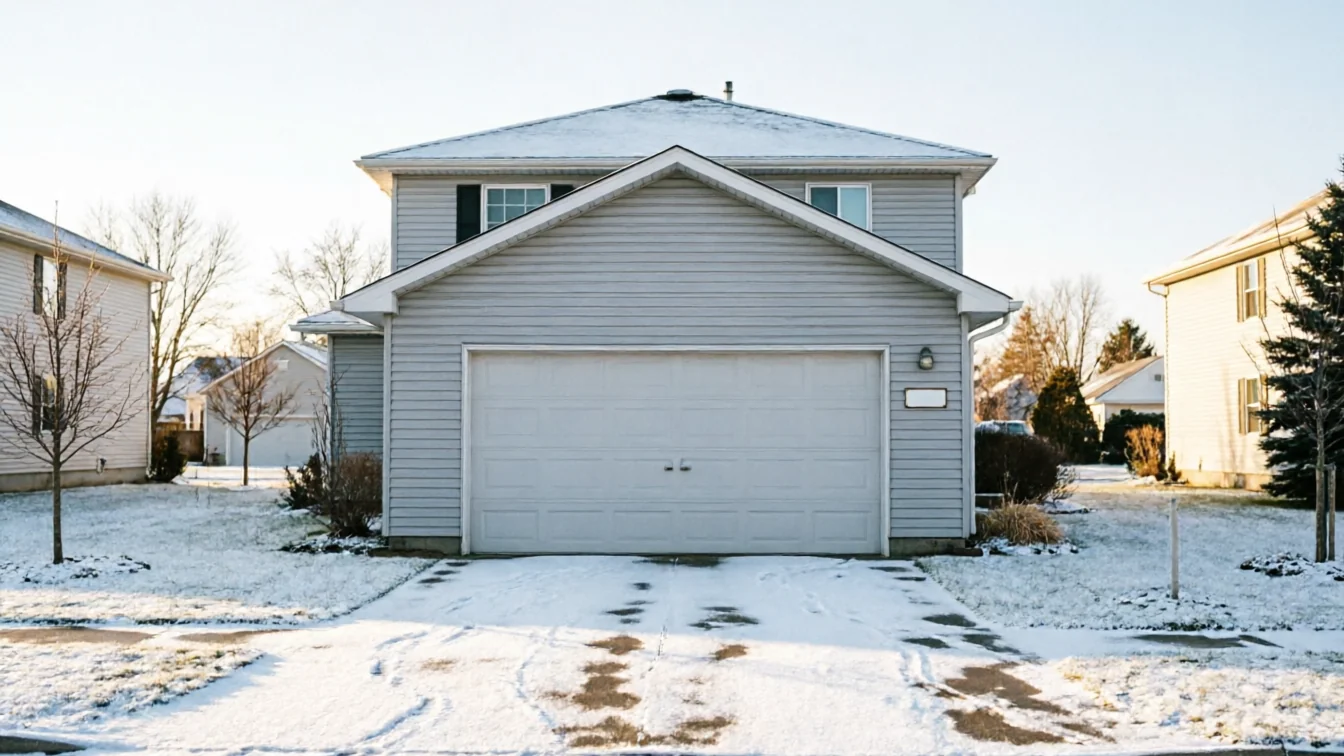
Highland Park's housing stock mostly went up between 1938 and 2003, with a median build year of 1977, and that number matters more than it sounds like it should. A door and spring system installed in the late 1970s was sized for the door of that era - usually lighter, often single-layer steel without the insulation and heavier hardware found on doors sold today. A lot of those original torsion setups are still in these garages, just older and more fatigued with every winter that passes.
Braeside, three miles southeast, sits inside some of that same older building wave, and it's not unusual to find original side-mounted torsion hardware still in service on houses from that period. Across the wider area - the 53 named communities that make up this service territory - the pattern repeats: most of what's out there was built in the 1960s and 70s, the stretch when torsion springs became standard on double-car doors.
That means a huge share of the springs in this area aren't failing because of bad luck or bad installs. They're failing because they're old, and because winter asks more of old steel than summer does.
What Local Conditions Do
Highland Park sits in a cold, moderate climate band, and that swing between warm summer afternoons and sustained winter cold is hard on torsion springs specifically. Steel contracts as it gets cold, and a spring that's already wound tight loses a little flexibility every time the temperature drops. A spring rated for a certain number of open-close cycles at 70 degrees doesn't get that same cycle life at 10 degrees - the metal is stiffer, more brittle, and more likely to fracture under the same load it handled fine in July.
This is why garage door calls cluster in the cold months here. It's not that people use their doors more in winter. It's that a spring already near the end of its service life, weakened by age and by however many thousand cycles it's carried since the house was built, finally gives out when the cold adds that last bit of stress. An older spring that's been flexing since the 1970s or 80s doesn't need much of a push once the temperature drops.
This also means a spring that snapped in January isn't a sign the technician before you did a bad job. It's a sign the spring had already done most of its work.
What It Costs
We don't have a published price list to hand you here, and giving you a number without seeing the door, the spring size, and whether it's a single or double setup would be a guess dressed up as a quote. What we can tell you is what drives the cost up or down.
Spring size and door weight matter most. A heavier insulated door needs a stiffer, often more expensive spring than a light single-layer door from the same era. Whether you need one spring or two matters - and on an older double door where both springs are the same age, replacing just one usually isn't a good use of a service call, because the second one is close behind it.
Age of the hardware plays a role too. Some of the older torsion drums and shafts in this area's 1960s-70s housing stock use dimensions that aren't common anymore, which can mean a longer parts search than a newer standard-size system. That's a real limitation: we can't always have an odd-sized shaft on the truck, and sometimes the honest answer is a short wait for the right part rather than a same-day fix with something that doesn't quite fit.
Talk to a local pro
Garage door trouble in Highland Park?
Same-day service with honest, upfront quotes.